时间:2026年11月19日(周四)上午10:00-11:30
Time:10:00-11:30, Thursday, November 19, 2026
主持人: 西湖大学交叉科学中心助理教授,杨一帆博士
Host: Dr. Yifan Yang, Assistant Professor, Center for Interdisciplinary Studies (CIS), Westlake University
地址:西湖大学云谷校区科研中心南楼,E14-349
Venue: E14-349, Collborative Research Center-South Wing, Yungu Campus, Westlake University
讲座语言:英文
Lecture Language: English
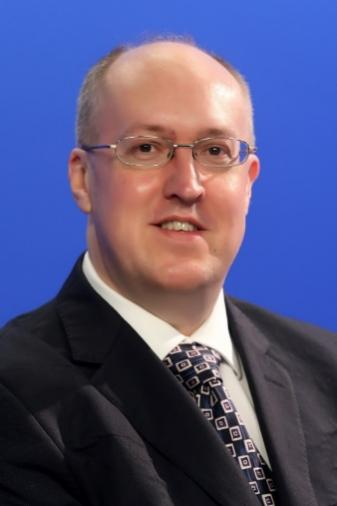
Prof. Teschendorff Andrew E.
Professor,
Shanghai Institute of Nutrition and Health, the Chinese Academy of Sciences
主讲人/Speaker:
Andrew Teschendorff is a Principal Investigator at the Shanghai Institute of Nutrition and Health, part of the Chinese Academy of Sciences, where he leads a lab in Computational Systems Epigenomics. His long-term research interest is to elucidate the role epigenetic changes play in aging and cancer-risk. He trained as a Mathematical Physicist at the University of Edinburgh (BSc, 1990-1995) and Cambridge University (MASt & PhD, 1996-2000). After a first postdoc in Mathematical Biology, he held Cambridge-MIT and Isaac Newton Fellowships in Statistical Cancer Genomics at the University of Cambridge (2003-2008). From 2008 to 2013 he held the Heller Research Fellowship at the UCL Cancer Institute in London. From 2015 to 2019 he held an Advanced International Newton Fellowship from the Royal Society in association with UCL London. His work has been published in premier journals including Nature Methods, Nature Aging, Cancer Cell and JAMA Oncology, and has several commissioned reviews in Nature Reviews Genetics. He has a current H-index of around 90 and in 2023 he received a Clarivate Highly Cited Researcher award in recognition of how his work has influenced the epigenomics, aging and cancer systems biology fields. He holds various patents on statistical algorithms for cancer risk prediction and cell-type deconvolution, is an Associate Editor for Genome Biology, Genome Medicine and Clinical Epigenetics, and is a regular reviewer and statistical advisor for Nature, Science and other premier journals.
讲座摘要/Abstract:
Recent proteomic studies indicate that organs don’t age at the same rate. It is likely that cell-types within organs also display differential aging rates. Thus, whilst there is an urgent need to quantify biological aging at cell-type resolution, doing so in a pan-tissue epigenetic context is challenging. In this talk, I will present a computational strategy to build an atlas of cell-type specific DNA methylation clocks encompassing 17 cell-types and 9 human tissues. We comprehensively validate, benchmark and evaluate this atlas across 104 DNAm datasets, comprising over 26,000 samples and 29 conditions, including cancer, neurological, inflammatory and metabolic diseases. In longitudinal studies, we find that long-term aspirin usage decelerates epigenetic aging specifically in colon epithelial cells and that a colon immune cell clock predicts colectomy risk and response to treatment in pediatric ulcerative colitis patients. Epithelial-specific clocks display universal acceleration in cancer correlating with mitotic age, whilst in idiopathic pulmonary fibrosis, acceleration of a lung epithelial clock is linked to an accelerated mesenchymal drift. Unlike whole-saliva and whole-skin clocks, saliva epithelial and skin keratinocyte clocks display age-acceleration due to smoking and sun exposure, and linked to cell proliferation and mesenchymal drift, respectively. In summary, our data demonstrate that cell type resolution transforms the biological interpretation of epigenetic clocks, and that our atlas can pinpoint the specific cell types within tissues that are aging fastest in relation to disease and exposures.
讲座联系人/Contact:
西湖大学交叉科学中心,朱子霖,邮箱:zhuzilin@westlake.edu.cn
Center for Interdisciplinary Studies (CIS), Westlake University, Ms. Zilin Zhu, Email: zhuzilin@westlake.edu.cn