时间:2026年10月27日(周二)上午9:30-10:30
Time:9:30-10:30, Tuesday, October 27th, 2026
主持人: 西湖大学工学院人工智能系兼交叉科学中心助理教授,李昊阳博士
Host: Dr. Haoyang Li, Assistant Professor, Department of Artificial Intelligence, School of Engineering & Center for Interdisciplinary Studies (CIS), Westlake University
地址:西湖大学云谷校区科研中心南楼,E14-349
Venue: E14-349, Collborative Research Center-South Wing, Yungu Campus, Westlake University
讲座语言:英文
Lecture Language: English
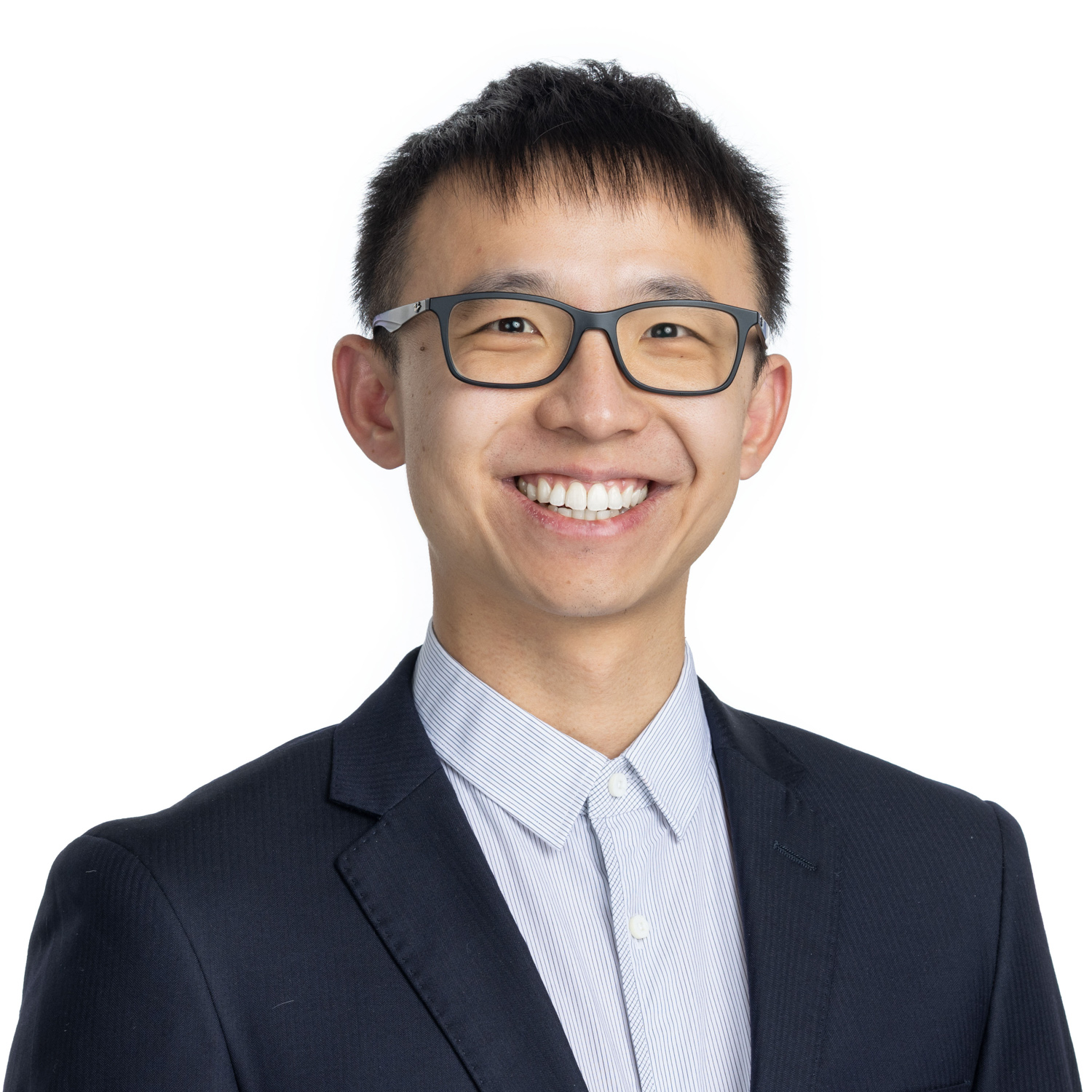
Dr. Sichen Yang(杨思宸)
Schmidt Science Fellow & Postdoctoral Researcher,
Yale University
主讲人/Speaker:
Sichen Yang is a Schmidt Science Fellow and postdoctoral researcher in Dr. Ruslan Medzhitov’s laboratory at Yale University. He received his B.S. from Tsinghua University in 2018 and his Ph.D. from The Rockefeller University in 2024, advised by Drs. Amy Shyer and Alan Rodrigues. His research investigates how cell–matrix interactions organize tissue form and function, with a current focus on extracellular matrix memory and tissue homeostasis. His work was published in Science and Cell and recognized with the 2024 ASCB Porter Prize for Research Excellence.
讲座摘要/Abstract:
Understanding biological form and function requires connecting molecular and cellular processes with the collective organization of tissues and organs. Interactions between cells and the extracellular matrix (ECM) generate emergent properties at the tissue scale that can, in turn, organize cellular behavior. Using feather follicle development in embryonic skin as a model, I will explore how cells and ECM collectively generate reproducible patterns and three-dimensional organ architecture. Combining tissue reconstitution, bioengineering, quantitative biophysics, and applied mathematics, we found that reciprocal interactions between cells and ECM generate an active contractile fluid that spontaneously forms periodic follicle patterns. I will then describe how developmental signals known as morphogens regulate tissue mechanical and material properties to generate three-dimensional architecture. Fibroblast growth factor (FGF) promotes tissue solidification, whereas bone morphogenetic protein (BMP) promotes tissue fluidization and mechanical activity, creating distinct tissue compartments whose spatial arrangement and mechanical interactions drive follicle budding. These mechanical and material differences are amplified at the tissue scale, revealing emergent behaviors that cannot be explained by simply summing the properties of individual cells. Together, these studies establish the cell–ECM collective as a physical unit with its own generative and regulatory power in organ morphogenesis. Finally, I will extend this perspective from the emergence of tissue form to the maintenance of tissue function, introducing my current work on how cell–matrix interactions and extracellular memory contribute to tissue homeostasis.
讲座联系人/Contact:
西湖大学交叉科学中心,朱子霖,邮箱:zhuzilin@westlake.edu.cn
Center for Interdisciplinary Studies (CIS), Westlake University, Ms. Zilin Zhu, Email: zhuzilin@westlake.edu.cn